



Alkaline wastewater neutralizationis a critical step in industrial wastewater treatment. pH control is not only a regulatory requirement but also a key factor for ensuring stable and efficient plant performance, especially when biological processes are involved.
High pH levels can inhibit microbial activity, reduce treatment efficiency and cause process instability. For this reason, effectivewastewater pH neutralizationmust be continuous, reliable and fully integrated with the overall treatment system.
Sources of alkaline industrial wastewater
Alkaline industrial wastewateris generated by the use of basic chemicals in production processes. The textile industry is one of the most relevant examples, as caustic soda is widely used in bleaching, dyeing and finishing operations.
These processes often produce wastewater with pH values above 10–11, requiring properalkaline wastewater neutralizationbefore discharge or further treatment.
Why pH control is essential
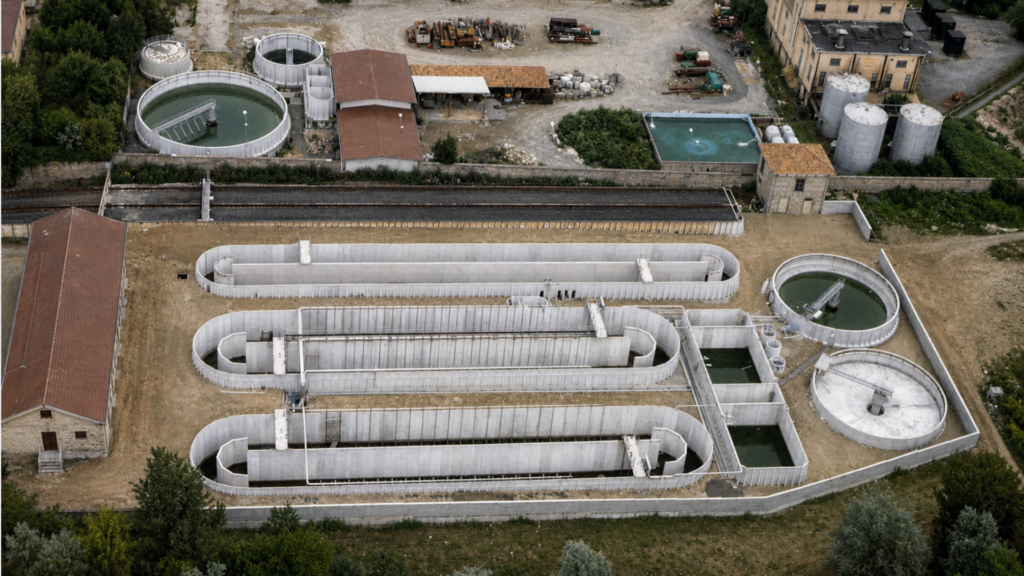
In industrial wastewater treatment, pH directly affects biological performance. Microorganisms operate within a limited pH range, typically between 6 and 8.5.
When pH is not properly controlled, the following issues may occur:
- reduced treatment efficiency
- biomass inhibition
- unstable biological processes
- compliance risks
Reliableindustrial wastewater pH controlis therefore essential for consistent plant operation.
Limitations of conventional neutralization methods
Neutralization with strong acids is still common, but it presents several limitations. Reactions are fast and difficult to control, often leading to overcorrection.
This results in:
- pH fluctuations
- stress on biological treatment
- increased operational complexity
Additional drawbacks include:
- handling of corrosive chemicals
- increased equipment wear
- salt formation in treated water
- volatile operational costs
These issues make traditional approaches less suitable for modern, sustainable wastewater treatment systems.
How CO2 wastewater neutralization works
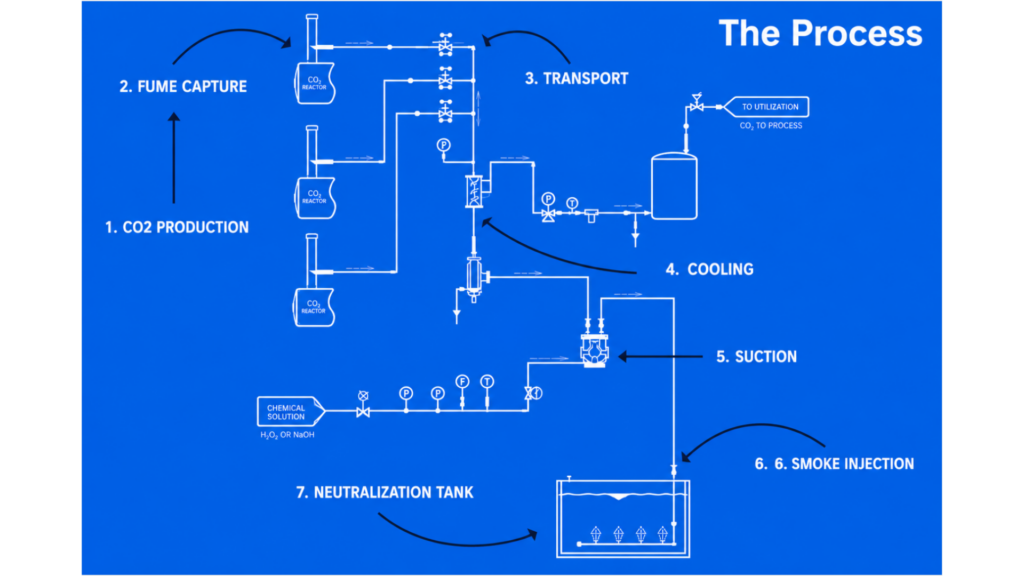
CO2 neutralization wastewateris based on dissolving carbon dioxide in water to form carbonic acid. This weak acid reduces pH gradually, allowing more precise control compared to strong acids.
A key advantage is its natural buffering effect, which stabilizes pH around neutral values.
A typicalCO2 pH control systemincludes:
- CO2 dosing unit
- dissolution system (diffusers or reactors)
- pH sensors and automated control
- integration with plant monitoring systems
CO2 vs strong acids
Compared to traditional methods, CO2 offers several advantages:
- gradual pH adjustment
- reduced risk of overdosing
- improved biological stability
- lower salinity impact
- safer handling
Application in textile wastewater treatment
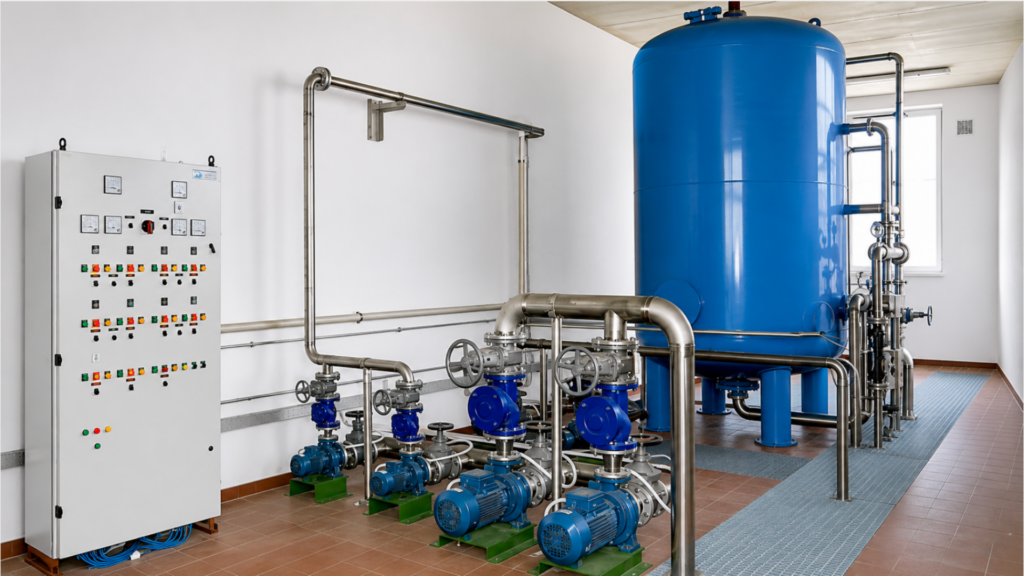
Intextile wastewater treatment, pH control is often a major challenge. In one industrial case with a flow rate of 6.000 m³/day and an initial pH of 11.25, CO2 was used to stabilize the pH between 7 and 8.
This resulted in:
- improved biological stability
- reduced chemical consumption
- enhanced treatment efficiency
- elimination of pH shocks
Environmental and economic benefits
Using CO2 foralkaline wastewater neutralizationprovides significant advantages:
- improved safety
- lower corrosion risks
- better treated water quality
From an economic perspective:
- reduced operating costs
- stable supply conditions
- lower maintenance requirements
- longer equipment lifespan
The use of recovered CO2 also supports circular economy strategies.
Conclusion
Alkaline wastewater neutralizationis essential for ensuring efficient and stable industrial wastewater treatment.
While conventional methods show clear limitations,CO2 neutralization wastewaterprovides a reliable, safe and sustainable alternative.
WaterNext delivers customized solutions to optimize pH control and improve overall plant performance, supporting industries in achieving more efficient and sustainable water management.
Comments are closed